Scripture · 3 min read
What the Belgic Confession teaches about Scripture
Articles 2–7 explain why Scripture has a governing place in the Belgic Confession. They distinguish God’s revelation in creation from His written Word, identify the biblical books, and describe the authority and sufficiency of Scripture.
Published
Two means of knowing God
Article 2 names two means by which God is known. The first is the created world, including its preservation and government. The second is His holy Word, through which He makes Himself known more clearly for His glory and our salvation.
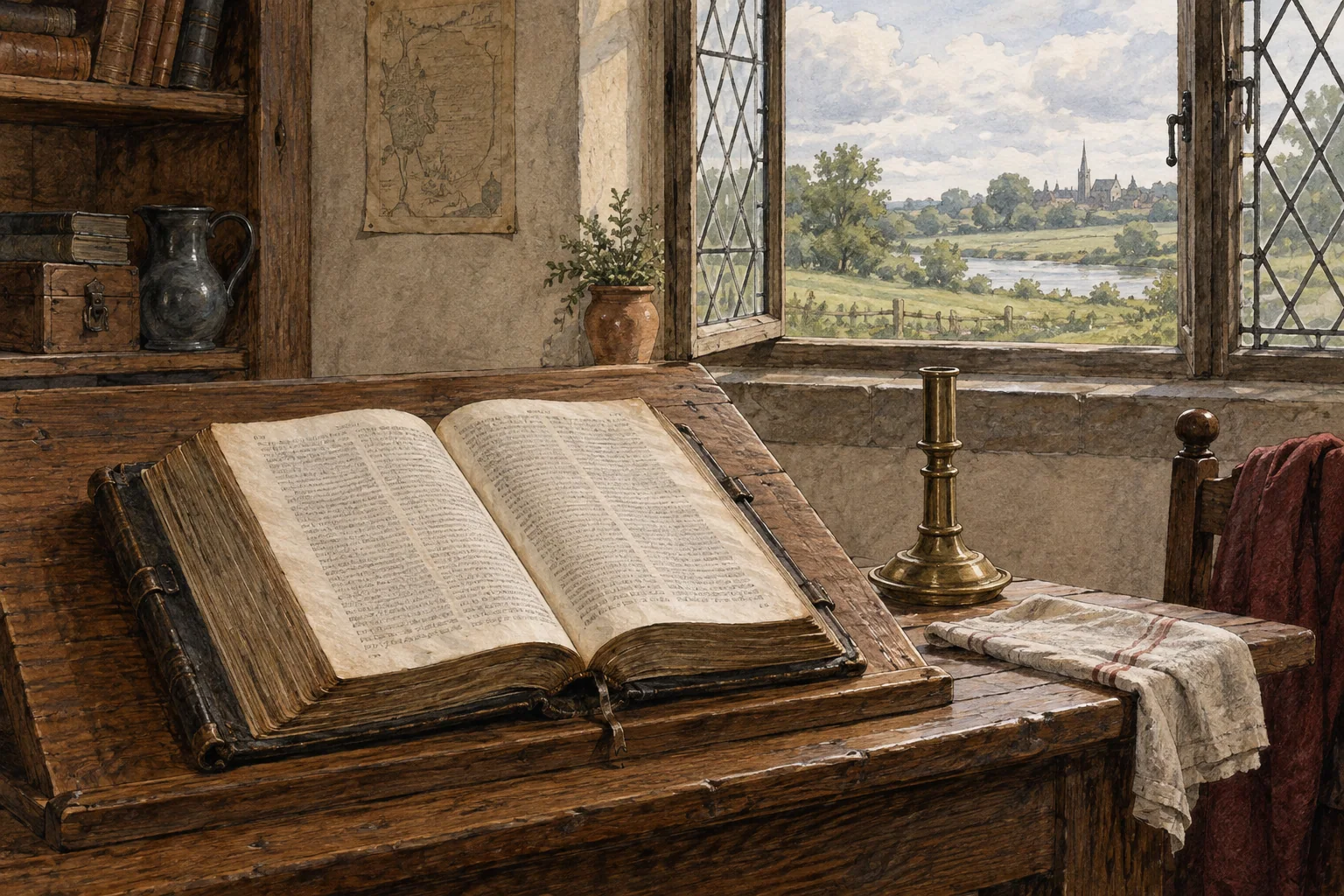
Creation reveals God’s eternal power and divinity. Article 2 says this witness leaves humanity without excuse before Him. The Word gives the clearer knowledge needed for His glory and our salvation. Nature therefore bears a real witness to God, while Scripture directs us to the saving message we need.
Read the two parts alongside the biblical references. Psalm 19 moves from the heavens declaring God’s glory to the goodness of His law, while Romans 1:20 explains the accountability that comes with knowing His power through creation.
- Revelation
Article 2 considers how God makes Himself known.
- Authority
Articles 3–6 address the written Word, its books, and their reception.
- Sufficiency
Article 7 places teaching and worship under Scripture.
What sufficiency does and does not claim
Article 7 says Scripture sufficiently teaches what must be believed for salvation and governs the worship God requires. Human writings cannot be placed on the same level as Scripture, and customs, majorities, or councils cannot overrule God’s truth.
Sufficiency concerns God’s provision for faith, worship, and obedience. The article directs Christians to Scripture for the teaching that governs these things. It is not claiming that the Bible supplies an exhaustive account of every technical subject.
The same principle applies to the Belgic Confession itself. A confession can be a useful, public summary of belief precisely because its teaching can be compared with Scripture. Its usefulness does not require treating it as a second Bible.
How to study these articles together
Read Article 6 alongside Article 4. The confession permits the church to read and learn from the apocryphal books where they agree with the canonical books, while denying them authority to establish doctrine. That explains both the value it allows them and the limit it places on their use.
Then choose one reference from Article 7, such as 2 Timothy 3:16–17, and read the surrounding passage. Compare what the biblical text says with the claim the confession makes from it. This is more useful than counting references as though a longer list settled every interpretation.
Finally, return to Article 2. Its movement from the world God made to the Word He gave keeps the study from becoming only a debate about lists and authority. The purpose is knowledge of God that serves His glory and the salvation of His people.
For the practical question of why a Bible-believing church uses a written confession, read why use a confession if we already have the Bible? It explains how a shared statement remains answerable to Scripture.
Sources and further reading
These guides explain the text from a Reformed perspective. They are original editorial commentary, separate from the historic confession and its published translation.
- Article 2: The Means by Which We Know GodRevelation through creation and through the Word.
- Articles 3–6: The written Word and its receptionContinue through the following articles for the canonical books and their authority.
- Article 7: The Sufficiency of ScripturePrimary basis for the explanation of sufficiency and subordinate human writings.